America builds AI like a weapon. China turns AI into production capacity.
Do not read the AI race only through model strength. The better question is: which system learns faster and rolls out faster?
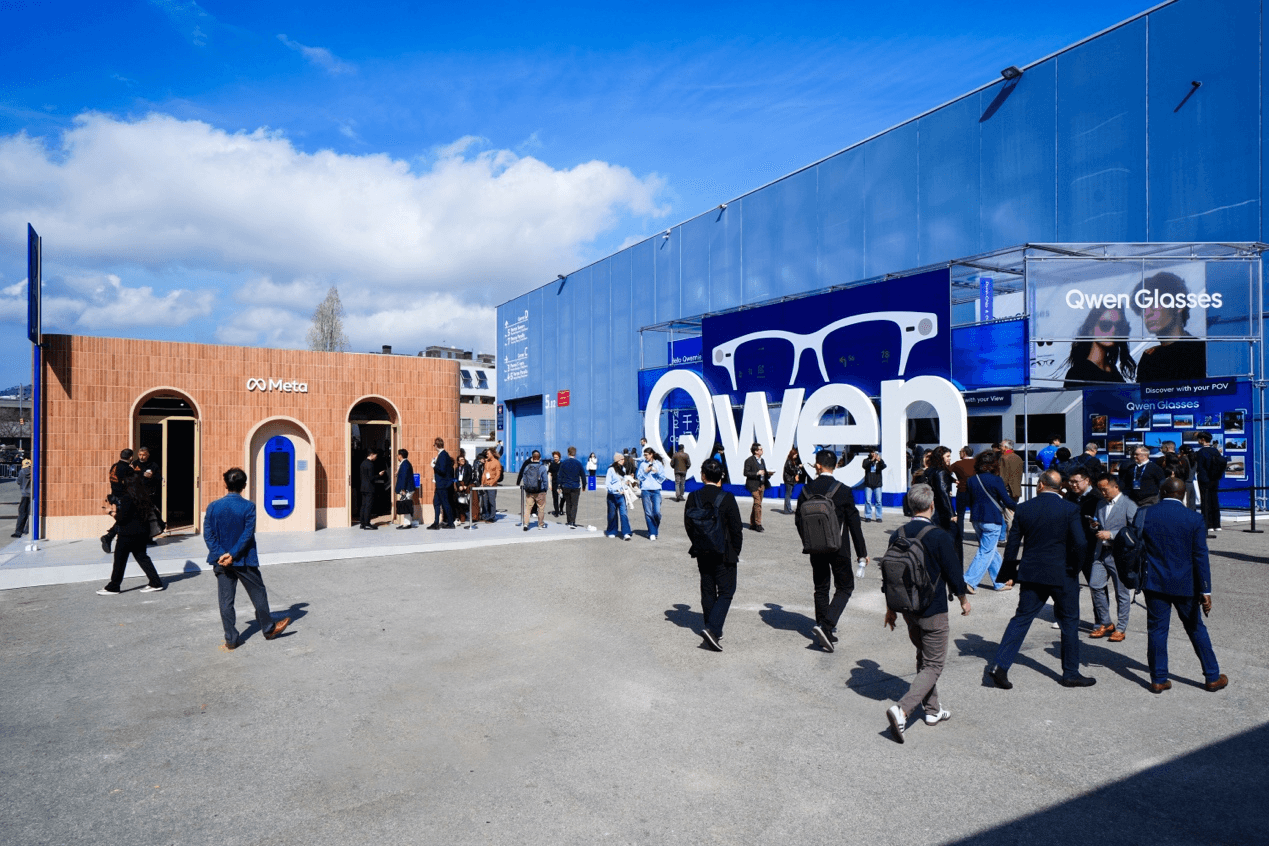

The lazy way to read the U.S.-China AI race is simple: whoever has the stronger model wins. I think that is wrong. The model is the visible layer.
The heavy layers sit underneath: chips, electricity, data centers, talent, capital, data, cloud, standards, military doctrine, universities, companies, and the ability to pull a whole system in one direction.
America and China are not playing the same game. America plays AI as a market economy with extreme creative power, protected by geopolitics. China plays AI as a national project: the state sets direction, companies execute, research institutions supply talent, local governments run pilots, and the economy gets pulled into the machine.

America wants to win at the top layer: frontier models, GPUs, cloud, private capital, alliances. China wants to win at rollout: applications, manufacturing, self-reliance, industrial data, diffusion speed. So “who wins AI?” is too broad and usually becomes emotional.
The better question is: what kind of power is each side optimizing for?

America has a power cluster that is hard to copy: NVIDIA, hyperscalers, OpenAI, Anthropic, Google DeepMind, Meta, xAI, chip design, EDA software, VC, elite universities, and the enterprise market. The U.S. government does not need to write product roadmaps for every company.
It needs the ecosystem to keep running fast, then lock strategic chokepoints. The biggest chokepoint is compute.
Export controls since 2022 hit high-end AI GPUs and advanced chipmaking equipment directly. Plain English: you can race, but not with the same weapons at the highest layer. The 2025 White House AI Action Plan also says the quiet part out loud: technological dominance.
America does not just want good AI apps. It wants to control the rules of the global AI stack.

China reads AI differently. Its 2017 New Generation AI Development Plan set the goal of becoming the leading AI innovation center by 2030. The interesting part is that it does not treat AI as a standalone sector.
It talks about AI in industry, cities, healthcare, agriculture, defense, education, standards, law, and ethics. AI is infrastructure for production and social governance.

America is fast at breakthroughs. China is fast at rollout. America can create a leap that forces the world to change its roadmap.
China can take a good-enough technology and embed it into thousands of use cases at annoying speed. In eCommerce, this is very practical: a team using the second-best model inside research, sourcing, creative, support, and inventory can beat a team using the best model only to write captions.

Vietnamese founders do not need to pick sides emotionally. Learn from America: IP, margin, global distribution. Learn from China: rollout speed, workflow packaging, cost reduction, turning technology into real money.
Do not only ask which AI is smarter. Ask which system learns faster. Models will change.
Token prices will fall. Tools will appear and die. An organization that learns, measures, fixes, and inserts AI into every operating link gets stronger the longer it runs.